
Празднику рад — накануне пьян
A proverb

Let’s get back to deciphering Russian proverbs — keys to the cultural code. Many of these proverbs reflect people’s wisdom; some are motivating, while others are “demotivators.” This one makes fun of someone who starts celebrating a bit too early or too excessively. It’s usually teasing that mixes humour with criticism.
Празднику рад — накануне пьян.
In pre-Soviet orthography, the proverb reads as follows:
Кто празднику радъ, тотъ до свѣта пьянъ.
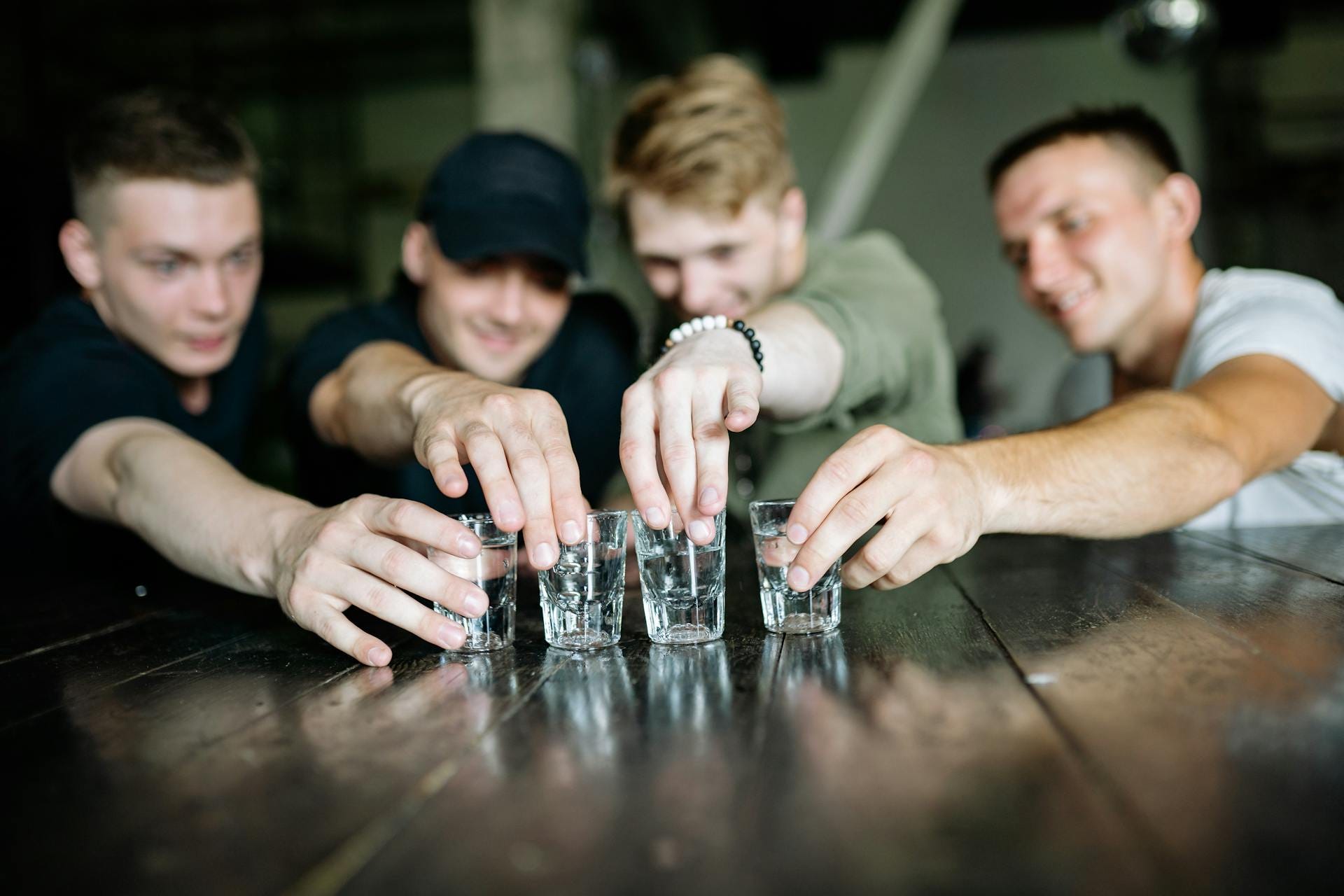
Photo by Yan Krukau
Nowadays, one can more often hear the shortened version. After comparing the traditional version to its modern form, one can see that some words are missing. However, they are implied, so the meaning stays the same:
Кто празднику рад, тот накануне пьян.
Those who look forward to the holiday are drunk the night before.
Пьян - drunk
Пьян is a short-form adjective derived from пьяный. Interestingly, while the word пьяный can be used as a noun, the short form is used strictly as an adjective.
Никто не видал, чтобы он хоть раз был не тем, чем всегда, хоть на улице, хоть у себя дома; хоть бы раз показал он в чем-нибудь участье, хоть бы напился пьян и в пьянстве рассмеялся бы.
Гоголь Н. В., Мёртвые души, 1835No one had ever seen him act differently from his usual self, whether on the street or at home; not once had he shown any interest in anything, nor had he ever gotten drunk and laughed in his intoxication.
Gogol, N. V., Dead Souls, 1835
Read by E. Khlystova
Пьяные и трезвые мужчины и женщины копошились и галдели около лавок, трактиров, кабаков и возов. Чувствовалась близость города.
Толстой Л. Н., ВоскресениеDrunk and sober men and women milled about and made a racket near the stalls, taverns, saloons, and carts. You could feel the city’s proximity.
Leo Tolstoy, Resurrection
Накануне - the day before, on the night before
The word накануне comes from канун (“eve”), so at some point it meant “on the eve of” (на кануне), but it later merged into накануне, and also means “the day before.”
Read by A. Kliukvin
Накануне своего отъезда из Петербурга, князь Андрей привез с собой Пьера, со времени бала ни разу не бывшего у Ростовых.
Толстой Л. Н., Война и мир. Том второй, 1873On the eve of his departure from St. Petersburg, Prince Andrei brought Pierre with him; Pierre had not visited the Rostovs once since the ball.
Leo Tolstoy, War and Peace. Volume Two, 1873
Накануне пьян - Drunk the night before
Рад - to be glad, happy, pleased
The English structure “to be glad” is similar in Russian, except in the present tense, where the verb “to be” is usually omitted.
I am glad — я рад (m.), я рада (f.), мы рады (pl.)
I was glad — я был рад (m.), я была рада (f.), мы были рады (pl.)
I will be glad — я буду рад (m.), я буду рада (f.), мы будем рады (pl.)
I would be glad — я был бы рад (m.), я была бы рада (f.), мы были бы рады (pl.)
Рад often implies a sincere, emotional reaction, closer to “genuinely glad” or “pleased.”
Read by Liudmila
Я рад, что дождь пошёл сильнее
И что, в чужой подъезд зайдя,
Ты опрокинешь зонтик мокрый
И отряхнёшься от дождя.
В. Ходасевич, 1908I’m glad the rain has grown heavier
And that, stepping into a random building,
You’ll turn your wet umbrella upside down
And shake off the rain.
V. Khodasevich, 1908i
Празднику (dative case, masculine, singular; nominative case - праздник) - for the holiday, about the holiday
Празднику рад… - literally: Who is glad about the holiday…
And now, the entire proverb:
Празднику рад — накануне пьян.
Russian proverbs sometimes reveal more about a nation’s mindset than books or movies. Feel free to explore more of them here:
Proverbs

This page is an index of the Russian proverbs read word-by-word, with detailed explanations and native voice recordings. Please return to my older posts, or visit them for the first time to see what you might have missed.