
Работа не волк...
Unlike a wolf... Reading together popular Russian proverb

“Работа не волк, в лес не убежит.”
It is a popular Russian proverb that can be translated to:
“Unlike a wolf, the work won’t escape into the forest”, or literally
"Work is not a wolf; it won't run into the forest" in English.
The proverb means that work will not disappear if you don't do it right away. The idea is that unlike a wolf that can run away into the forest and be lost, work is stationary and will wait for you. An equivalent saying in English is "The work will still be there tomorrow." Every procrastinator knows that.
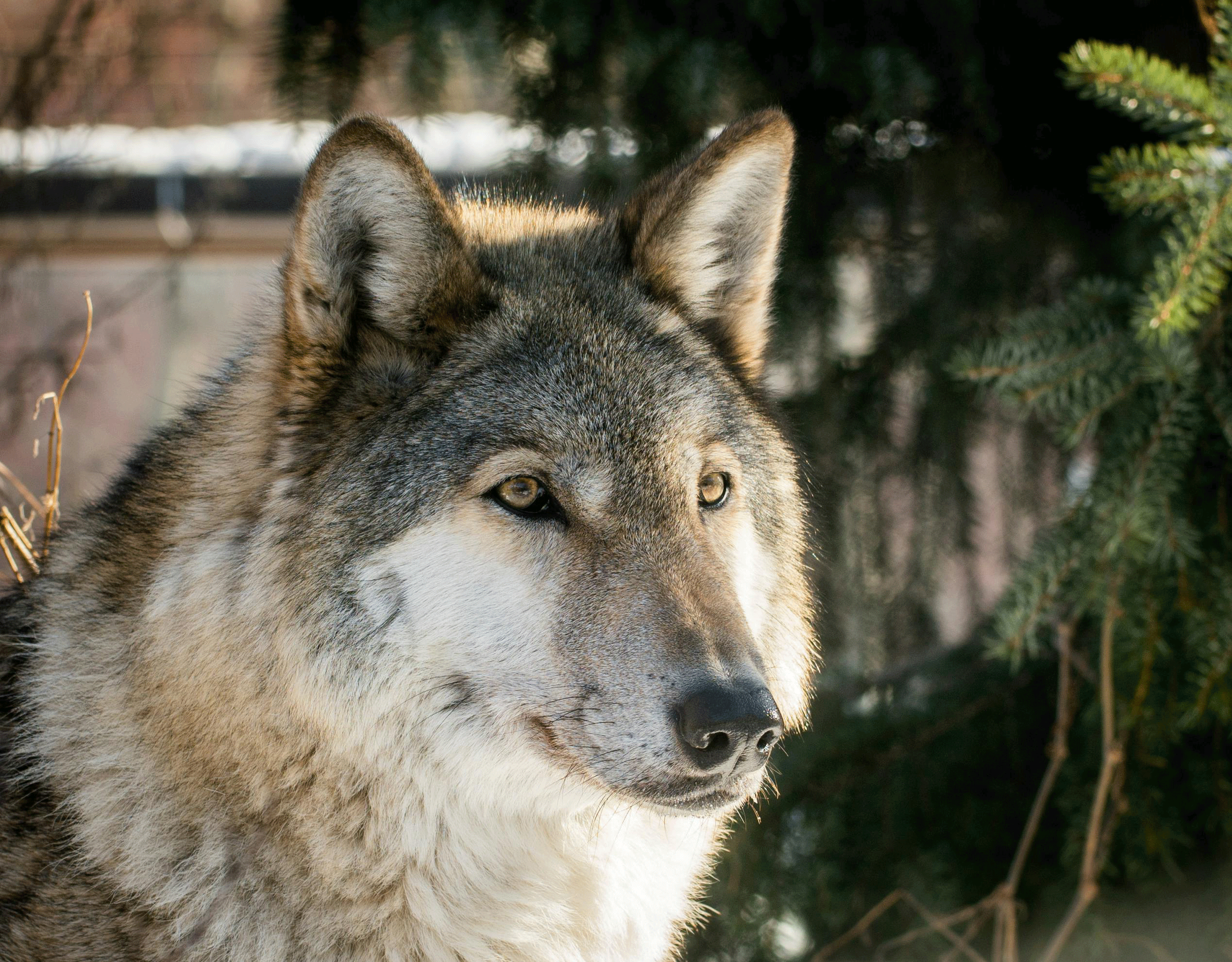
Photo by Egor Kamelev
We will take it apart as if it was a compound sentence with no conjunction.
First Clause
Работа не волк
О ком или о чём говорится в предложении? О работе.
Who or what is the sentence talking about? About work. Noun, nominative case, singular, feminine.
работа - подлежащее (subject). This is the subject of the sentence, denoting the thing being spoken about.
Example:
“Подумаешь, тоже работа, — Беспечное это житьё…” - Анна Ахматова
”Дураков работа любит.” - another Russian proverb.
Работа какая? не волк.
Work is what? Not a wolf. Noun, nominative case, singular, masculine with negation.
не волк - именная часть составного сказуемого (predicative). This part of the predicate defines what the subject is not, emphasizing a comparison or metaphor.
Example:
“Я злой и страшный серый волк, я в поросятах знаю толк!” - “Джентльмены удачи” movie, 1971 (starring E. Leonov, director A. Sery)
”В темнице там царевна тужит, А бурый волк ей верно служит…” - А. С. Пушкин
Second Clause
в лес не убежит
Кто или что не убежит? работа (она)
What will not run away? Work (it). Implied subject, third person singular, feminine.
она (работа) — подлежащее (implied subject). Though not explicitly stated in the second clause, the subject "работа" is understood.
Она что сделает? Она не убежит.
Will do what? Will not run away.
не убежит — сказуемое (predicate). This is the predicate, indicating the action that the subject will not perform. Verb, future tense, third person singular, imperfective.
Example:
“Напоил вместе с другими ссыльными исправника и клялся, что не убежит, а на другой день вместе с двумя анархистами сбежал.” - from the biography of Alexander Grin
Куда не убежит? в лес.
Will not run away to where? Into the forest. Noun, prepositional case, singular, masculine.
в лес — обстоятельство места (adverbial of place). This shows where the action would hypothetically take place.
Example:
“В обе стороны от шлагбаума в лес уходил проволочный забор, вдоль которого рыскали серые караульные псы.” - В. Суворов
One more time, the literal word-by-word translation will look like this:
"Work is not a wolf; it won't run into the forest".