
Худой мир
Not a "skinny world"

Худой мир лучше доброй драки
Худой мир лучше доброй драки is a Russian proverb catalogued by V. Dal in the 19th Century. It translates to “A bad peace is better than a good fight” and suggests that maintaining peace, even if imperfect, is always preferable to engaging in violence or strife.
Худой - adjective, masculine, singular, nominative case. The word “худой” originally meant "bad" in older Russian. Over time, its primary meaning shifted to “lean” or “skinny,” referring to a lack of physical substance or thinness. The old meaning is still recognizable in some fixed expressions like this proverb and historical texts.
Худой человек не приносит пользы. (A bad person brings no benefit.)
В худую погоду лучше оставаться дома. (In bad weather, it’s better to stay home.)
мир - noun, masculine, singular, nominative case - “peace”, an antonym to “war”, as in Leo Tolstoy’s novel War and Peace. It may also mean “inner peace” as in “мир в душе”, “мир с самим собой”.
It is also worth noting that the word “мир” in its current spelling conveys some extra meanings that prior to the 1917 language reform were assigned to the different spelling, “мiръ”. These extra meanings are “the world”, “the people”, “secular part of the society” and some more.
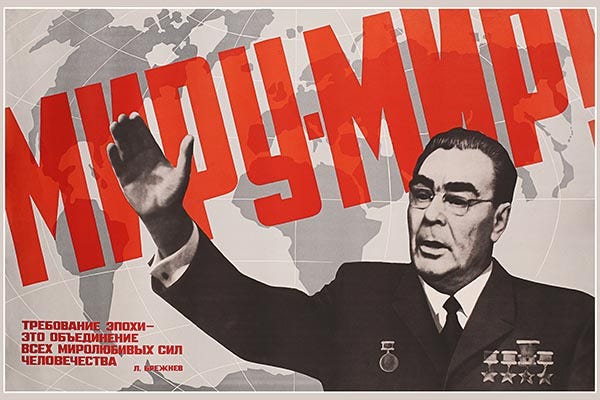
“Миру-мир!” (Peace to The World!) has been the Soviet propaganda slogan after the WWII.
“…в душе его находится мир и любовь.” - Л. Толстой (“…he has peace and love in his soul.” - L. Tolstoy)
”Невозможно заключить мир, сидя в удобном кресле в Брюсселе.” - В. Орбан (You cannot make peace from a comfortable armchair in Brussels. - V. Orban)
лучше - comparative adverb - “better”.
Лучше поздно, чем никогда. (Better late than never.)
Лучше меньше, да лучше. (Saying similar to “Quality vs. Quantity” or “Less is More” in English)
доброй - “good, kind”, adjective, feminine, instrumental case. In nominative case - добрая.
Historically, the word "добрый, добрая, доброе" had a broader and slightly different meaning. It was used to describe something beneficial, fit, or of high quality. In older texts and proverbs like the one we are reading, "добрый" could mean "good" in terms of quality or condition, rather than kindness.
“В их душе часто много добрых свойств, но ни на грош поэзии.” - М. Лермонтов
”Под вечер иногда сходилась
Соседей добрая семья…” - А. С. Пушкин
драки - “fight, scuffle”, noun, feminine, instrumental case. In nominative case - “драка”.
“В таком случае дело тот же час доходило до драки.” - Н. В. Гоголь
«Вот то́-то мне и духу придаёт,
Что я, совсем без драки,
Могу попасть в большие забияки.” - И. А. Крылов