
Волков бояться — в лес не ходить
"Wolf" proverbs, part 3

And here we go again: the proverb with the Russian folklore archetype—WOLF.
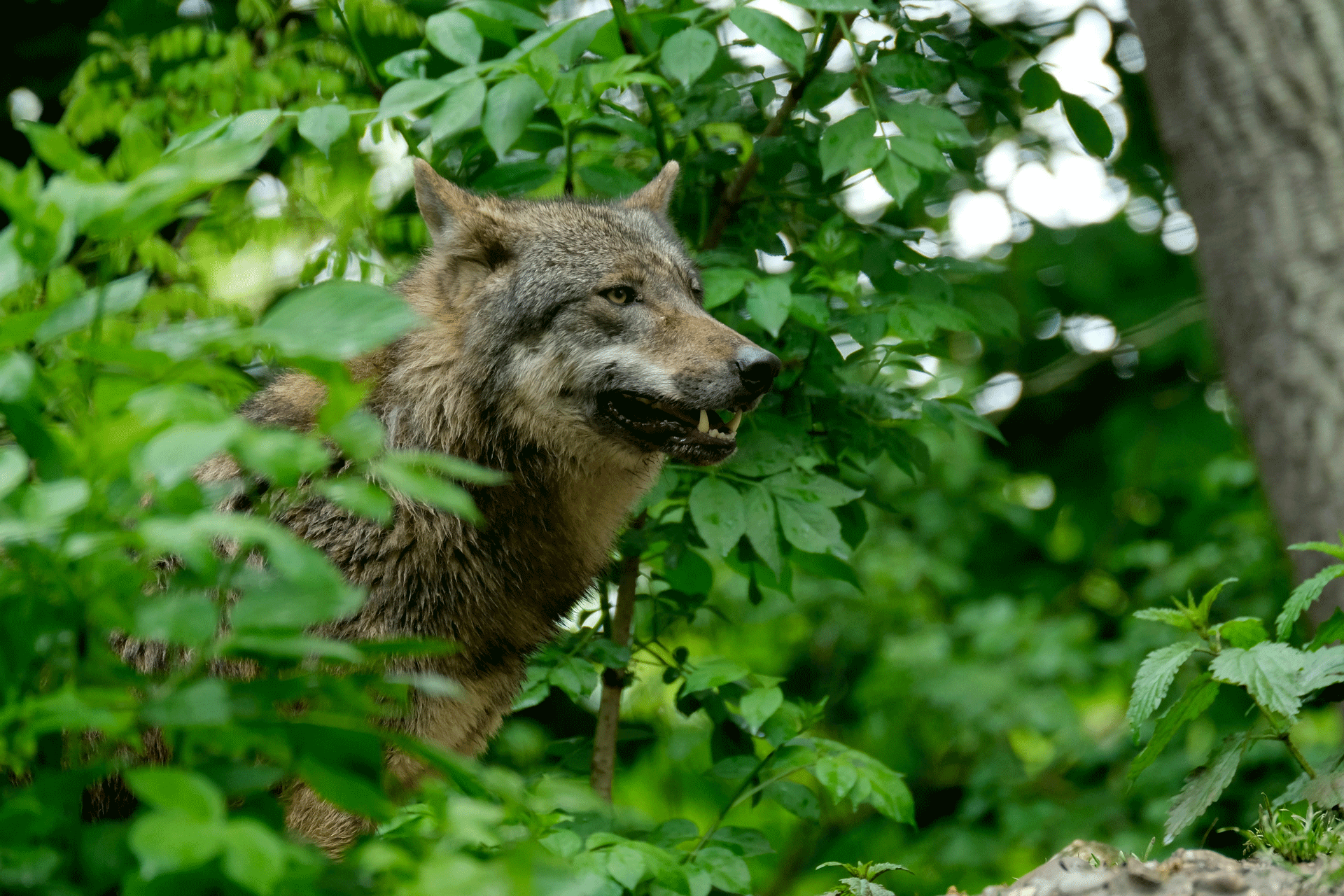
Image by Nicky
Волков бояться — в лес не ходить
It can be translated, although not word for word, to:
Being afraid of wolves keeps one out of the forest.
This is a Russian motivational proverb that encourages bravery and acceptance of the risks. Let’s read it together word by word.
But first, we need to know that this is a complex Russian sentence with an independent clause “(то - implied) в лес не ходить”, and a dependent clause “(если - also implied) волков бояться”. Each half of the complex sentence is a generalized personal sentence, as we discussed previously.
Волков — wolves
Genitive plural form “волки” (wolves) of the singular “волк” (wolf). Noun, masculine.
Examples:
Идёт охота на волков,
Идёт охота —
На серых хищников
Матёрых и щенков! - В. Высоцкий
Утром снежным белые волки
С утренним снегом, как беглые толки
Выбегут в поле, следы разметают
Не найдя ничего, все тают их стаи… - В. Бутусов
Performed by Nastya
бояться — to fear
Infinitive verb, reflexive (ends with “-ся”).
Examples:
В сердце его вселился страх, и он стал бояться за каждое слово своё, за каждый жест… - Ф. М. Достоевский
в — to
Preposition indicating direction, “to the forest”.
The preposition “в” often translates to “in”, “inside” or “at” when it used to indicate location.
лес — forest
Noun, singular, masculine.
Examples:
А окно второе вышло к лесу,
Тёмный лес поднялся до небес,
И от солнца лес создал завесу,
От вопросов скрыл ответы лес. - А. Макаревич
не — not
Negation particle, negates the verb "ходить" (to go).
Я не люблю фатального исхода.
От жизни никогда не устаю.
Я не люблю любое время года,
Когда веселых песен не пою. - В. Высоцкий
ходить — to go, to be going - Russian language does not differentiate between present and present continuous times
Infinitive verb, refers to the action of going repeatedly or habitually.
Examples:
Как тяжело ходить среди людей
И притворятся непогибшим,
И об игре трагической страстей
Повествовать ещё не жившим. - А. Блок
Read by A. Emelianov
“Ходить” also means “to walk” or "to visit a place regularly.” We have discussed the verb “ходить” as well as another Russian verb, “идти”, which also translates to “to go” in English. These two verbs have multiple meanings and are used in a plethora of fixed expressions, sometimes corky ones.
So, translating the proverb word by word will bring us to this:
“To be afraid of wolves - not to be going to the forest.”
Although it may sound counterintuitive, the proverb is meant to be motivational, encouraging one to take action.

I encourage you to have a look at the Russian-English Dictionary of Proverbs and Sayings by Alexander Margulis and Asya Kholodnaya, available from independent book stores via Bookshop.org. We may earn small commission from your purchase at no extra cost to you.
Check more proverbs that speak of wolf, or wolves: