
Вести vs. водить
To lead, to guide

Russian has a special category of verbs called verbs of motion. These verbs often come in pairs: one verb describes unidirectional motion, and the other describes multi-directional, repeated or habitual motion.
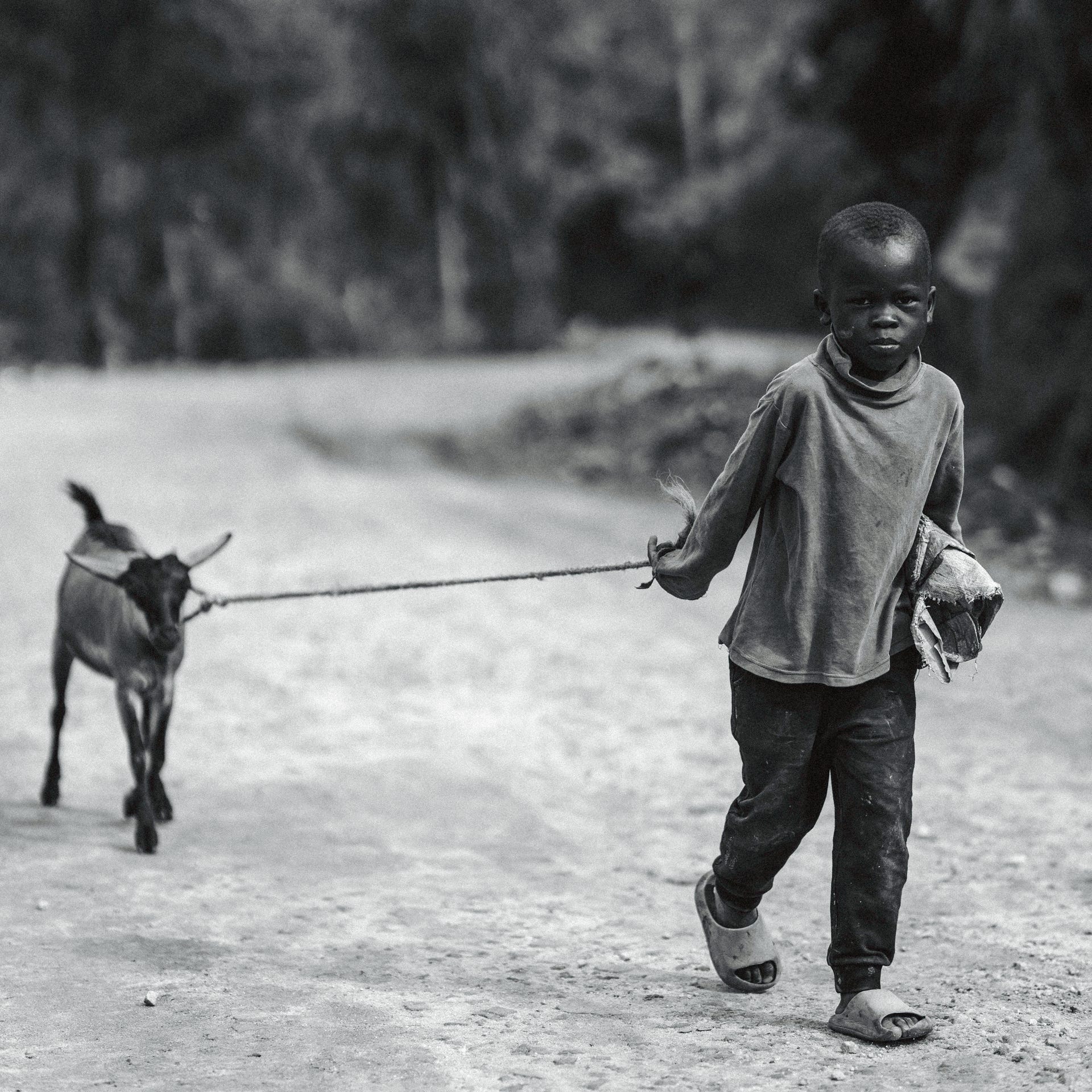
Photo by Edouard Mihigo
Both verbs, “вести” and “водить” relate to the idea of leading, guiding, or accompanying someone or something on foot, or controlling movement, but in different contexts:
вести — unidirectional action
водить — multi-directional or repeated action
As with other Russian verbs of motion, these two share most of their meanings, but each has its own idiomatic expressions.
To lead, to guide
вести - to lead, to guide, or to conduct in one direction at one time
- Как это скверно, когда не ты ведешь мысль, а она тебя ведет… - А. И. Куприн
- How nasty it is when not you lead the thought, but it leads you ... - A. I. Kuprin
Веди меня аллеями пустыми, о чём-нибудь ненужном говори… - Борис Рыжий
Lead me through empty alleys, talk about something irrelevant... - Boris Ryzhyi
водить - to lead repeatedly, habitually, or in different directions
Это не тигр, а тигрица и … у нее есть тигрята... К своему логовищу она нас не поведет, а будет водить по сопкам до тех пор, пока мы от нее не отстанем. - В. К. Арсеньев
It is not a tiger, but a tigress and … she has tiger cubs... She will not lead us to her den, but will drive us along the hills until we leave her alone. - В. K. Arseniev
Leading a Group (military unit, tourists, etc.)
Although the meaning is similar to the previous one, it specifically refers to being a group leader. The verbs “вести” and “водить” with this meaning are often used together with the words “за собой.”
вести - to lead a group in one direction at one time
- А вот я и здесь, — сказал, входя, хозяин и ведя за собой двух юношей, в летних сюртуках. - Н. В. Гоголь
- And here I am,” said the host, entering, and leading two young men in summer coats. - N. V. Gogol
Чтоб подымать, и вести, и влечь,
которые глазом ослабли. - В. Маяковский
To lift up, and lead, and lure
those whose eyes have weakened. - V. Mayakovsky
водить - to lead a group repeatedly, habitually, or in different directions
Рокоссовскому приходилось неоднократно водить своих бойцов в контратаки, чтобы не допустить прорыва противника из окружения. - В. Дайнес
Rokossovsky had to repeatedly lead his troops in counterattacks to prevent the breakthrough of the enemy from the encirclement. - В. Daines
Physical Leading on Foot by hand or rope
вести (single trip, definite path)
Ведя за собою [коня] Малек-Аделя в поводу, он направился большими шагами к конюшне. - И. С. Тургенев
Leading [the horse] Malek-Adel behind him, he took large steps towards the stables. - I. S. Turgenev
водить (multiple trips, back and forth, habit)
Женщины попроще ходят по городу сами, а тех, которые богаче или важнее, водят под руки. - И. А. Гончаров
Simple women walk around the city by themselves, and those who are richer or more important are led under the arms. - I. A. Goncharov
Operating Transport (car, bus, train, aircraft)
вести - to drive a vehicle, a train, a bus, to fly a plane in one direction or to a certain point
Мне ничто не мешало вести машину строго по маршруту, рассчитывать и выдерживать время, точно сбрасывать бомбы. - Ольга Голубева-Терес
Nothing prevented me from flying the plane strictly according to the route, calculating and keeping time, dropping bombs accurately. - Olga Golubeva-Teres
водить - to operate transport repeatedly, habitually, or in different directions, but also to have driving skills
Если бы я не научился водить паровоз, то зритель бы сразу увидел мою никчемность и искусственность. - В. Машков
If I had not learned to drive a steam locomotive, the viewers would have seen at once my worthlessness and artificiality. - В. Mashkov
вести машину, водить машину - to drive a car
